
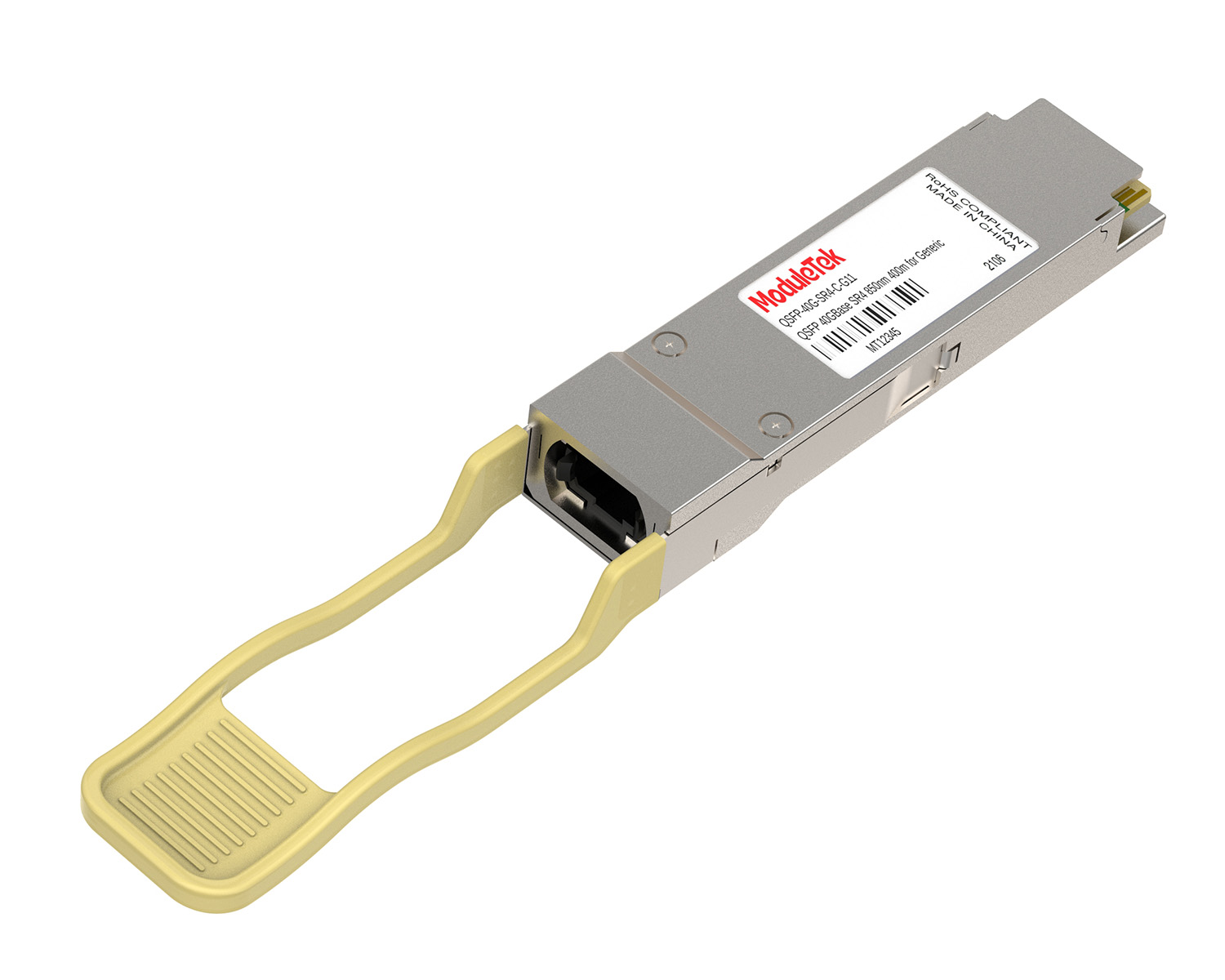
 40G/100G Optical Transceivers
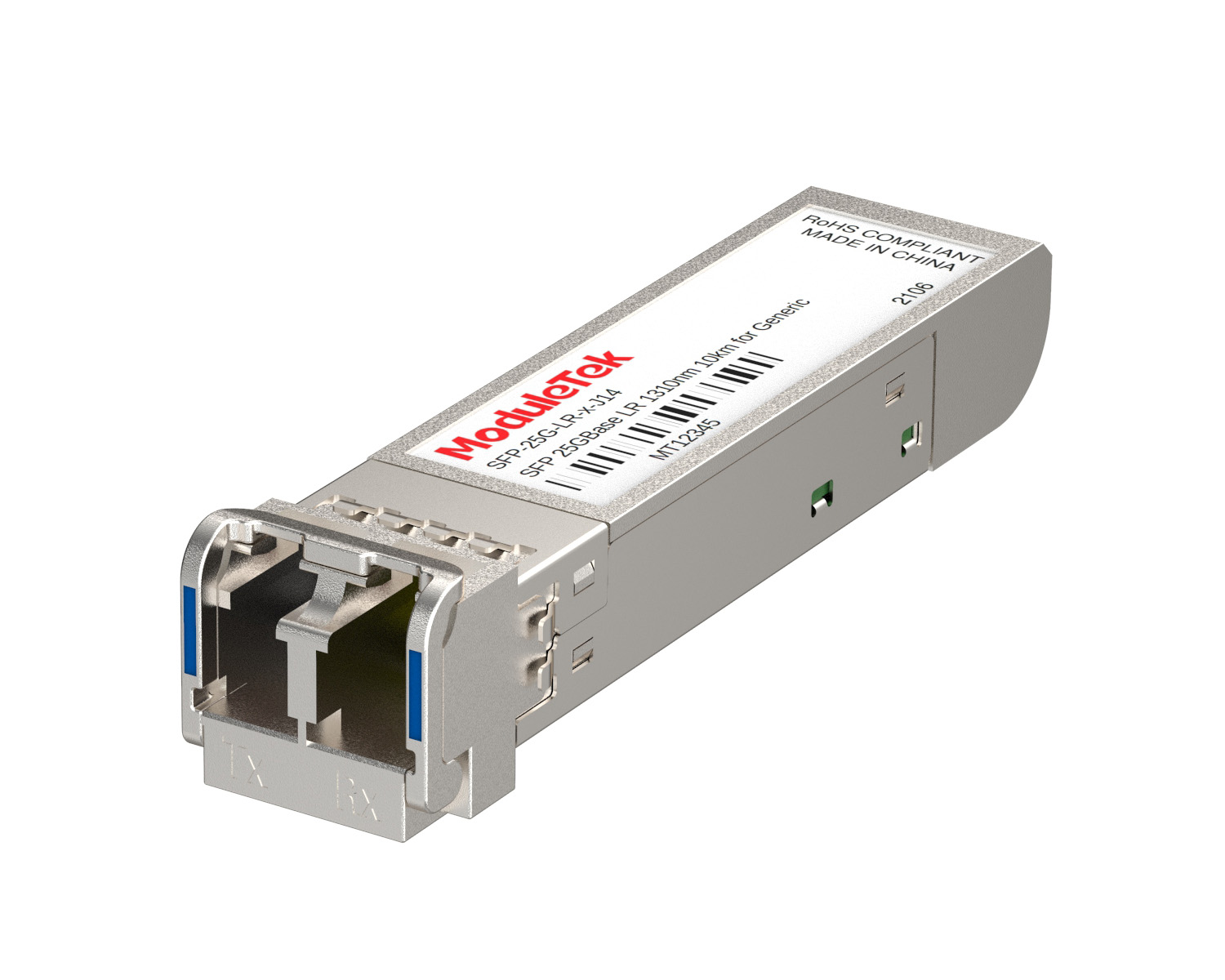 25G Optical Transceivers
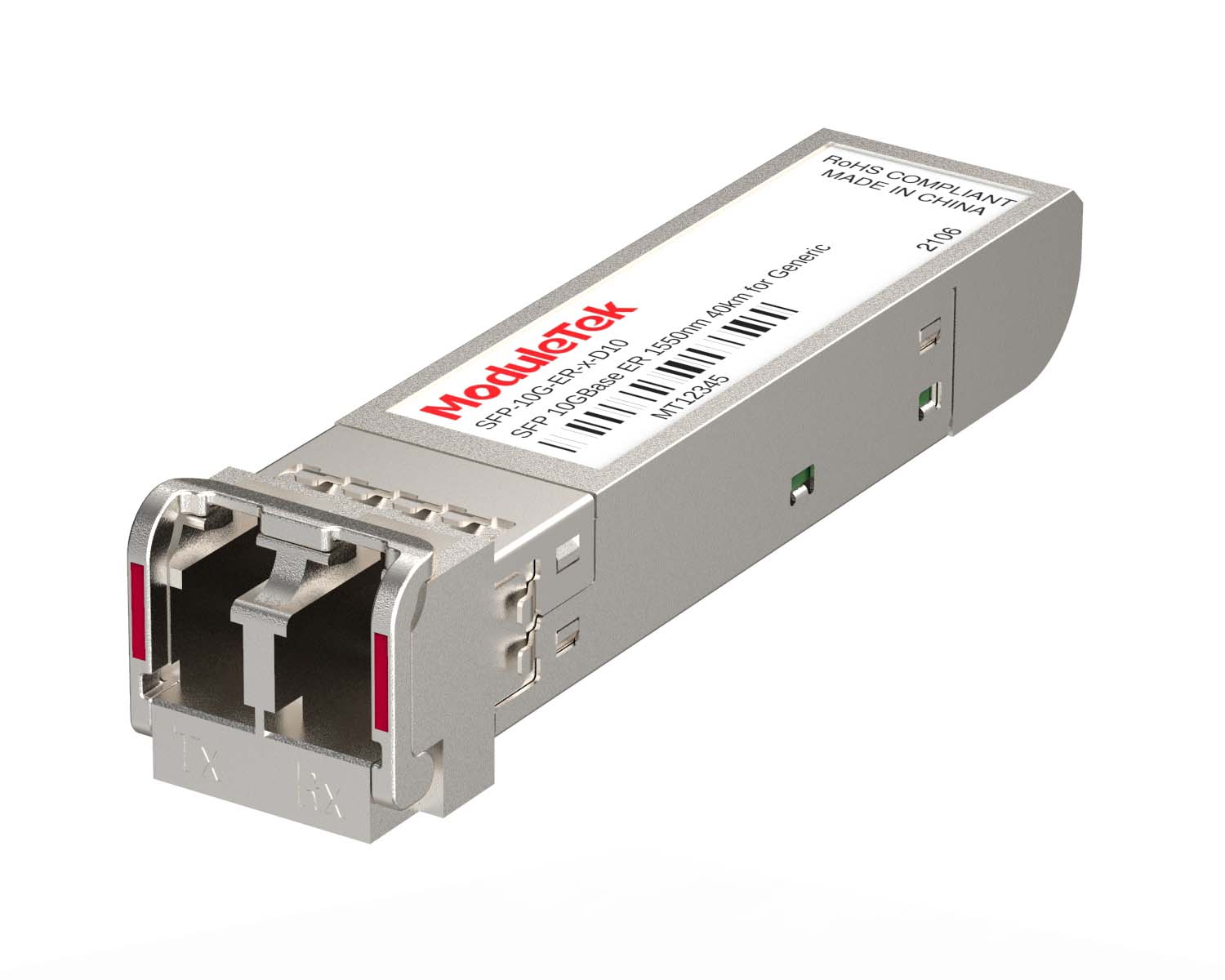 10G Optical Transceivers
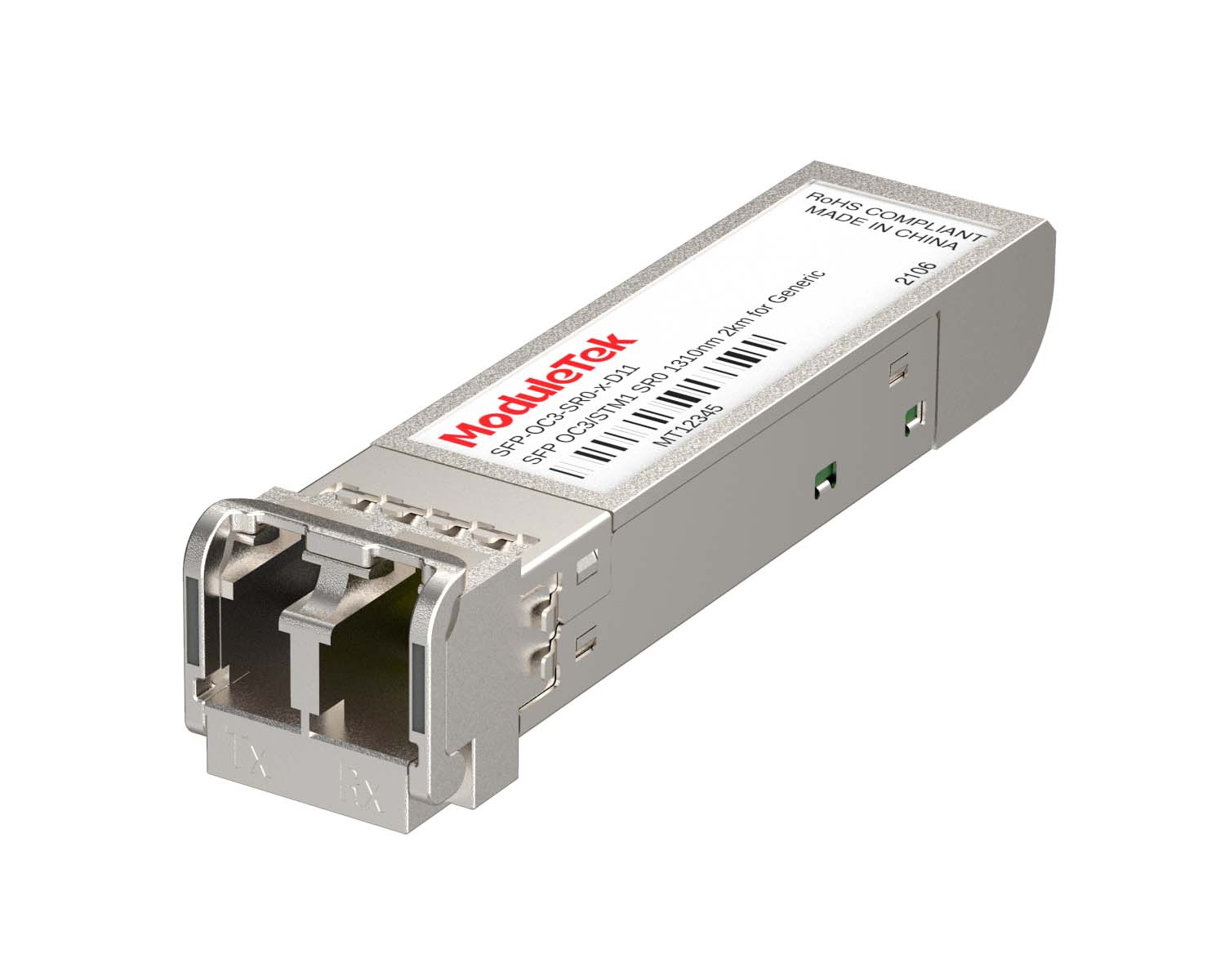 155M/2.5G Optical Transceivers
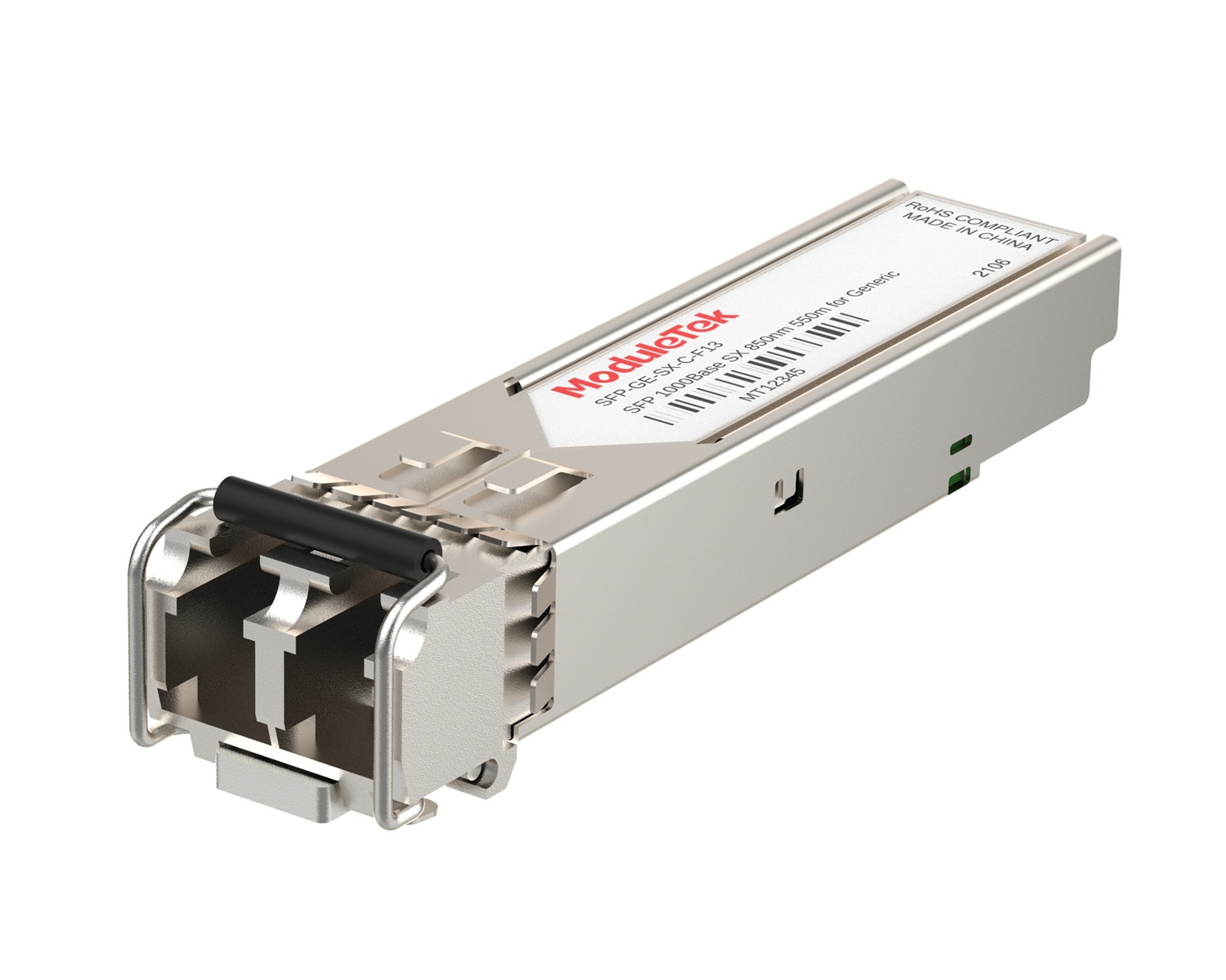 1G Optical Transceivers
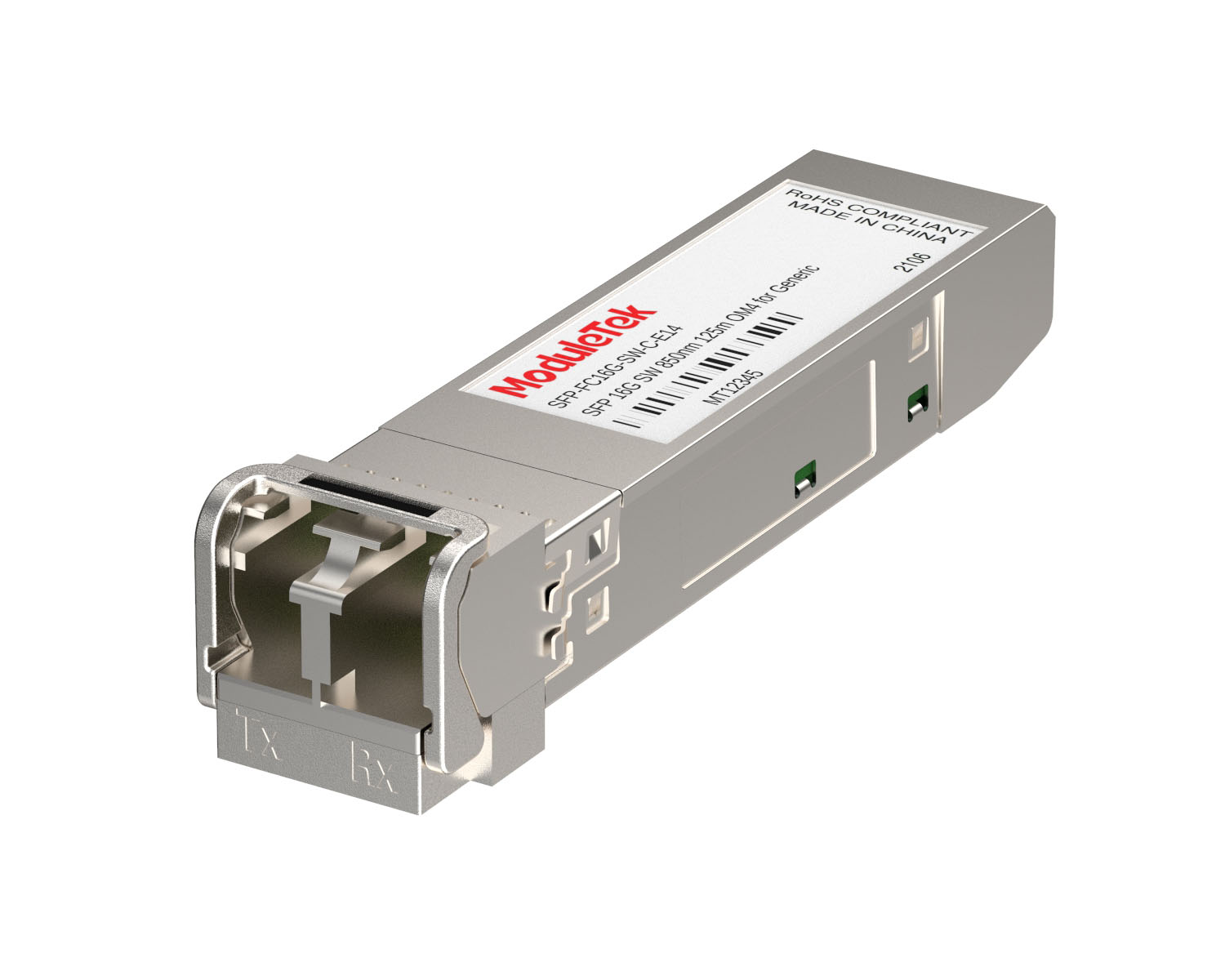 FC 16G/32G Optical Transceivers
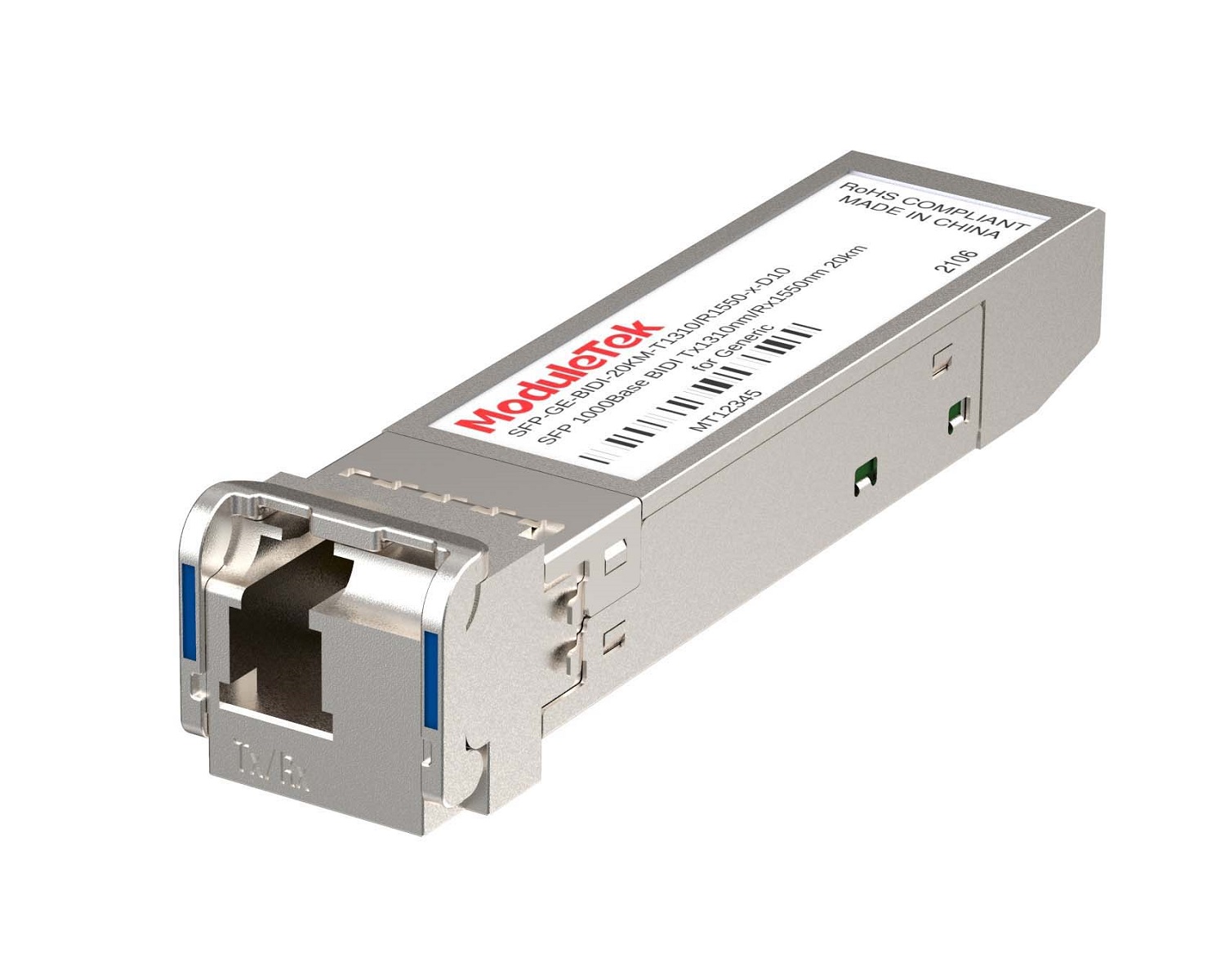 1G BIDI Optical Transceivers
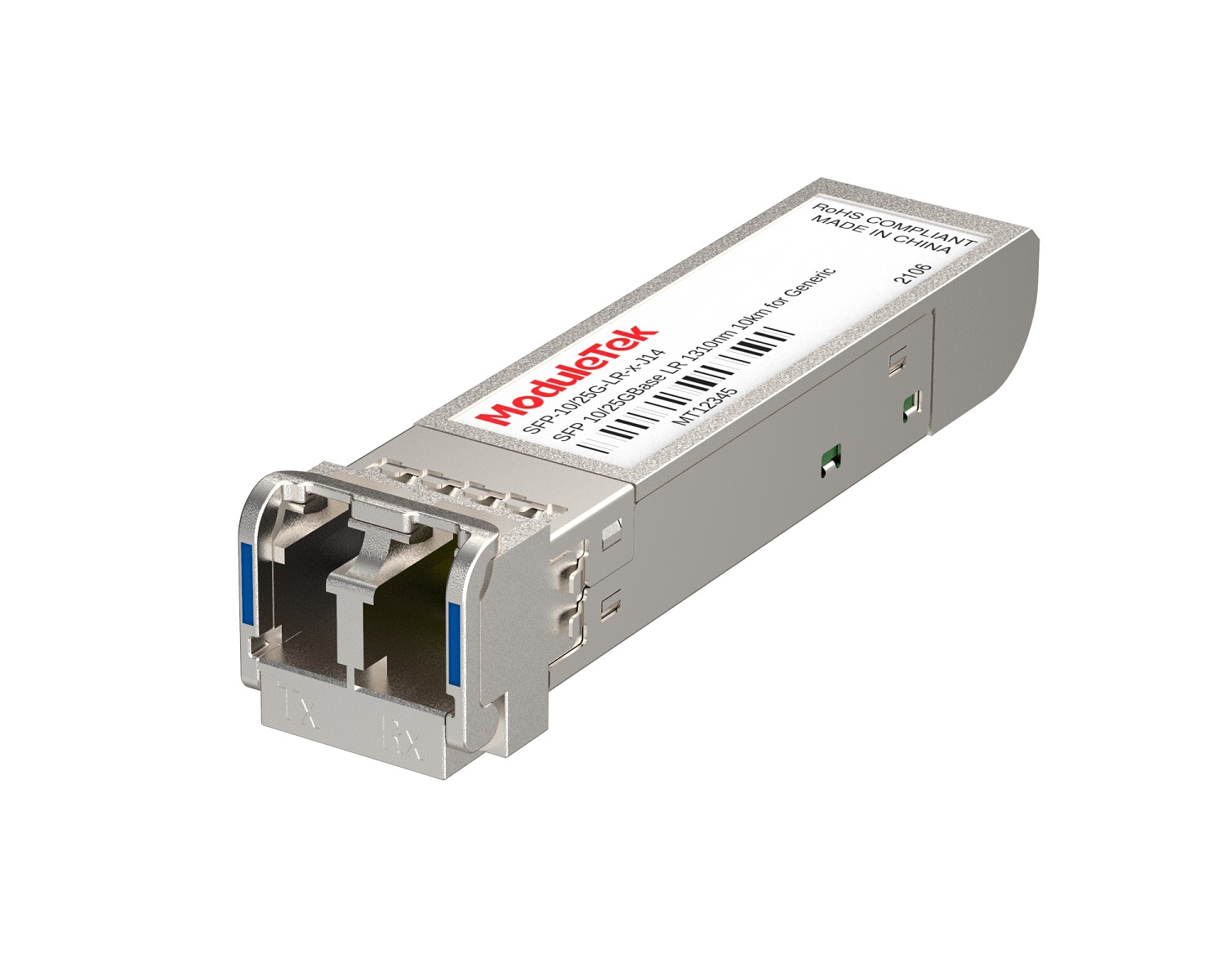 Dual-Rate Optical Transceivers
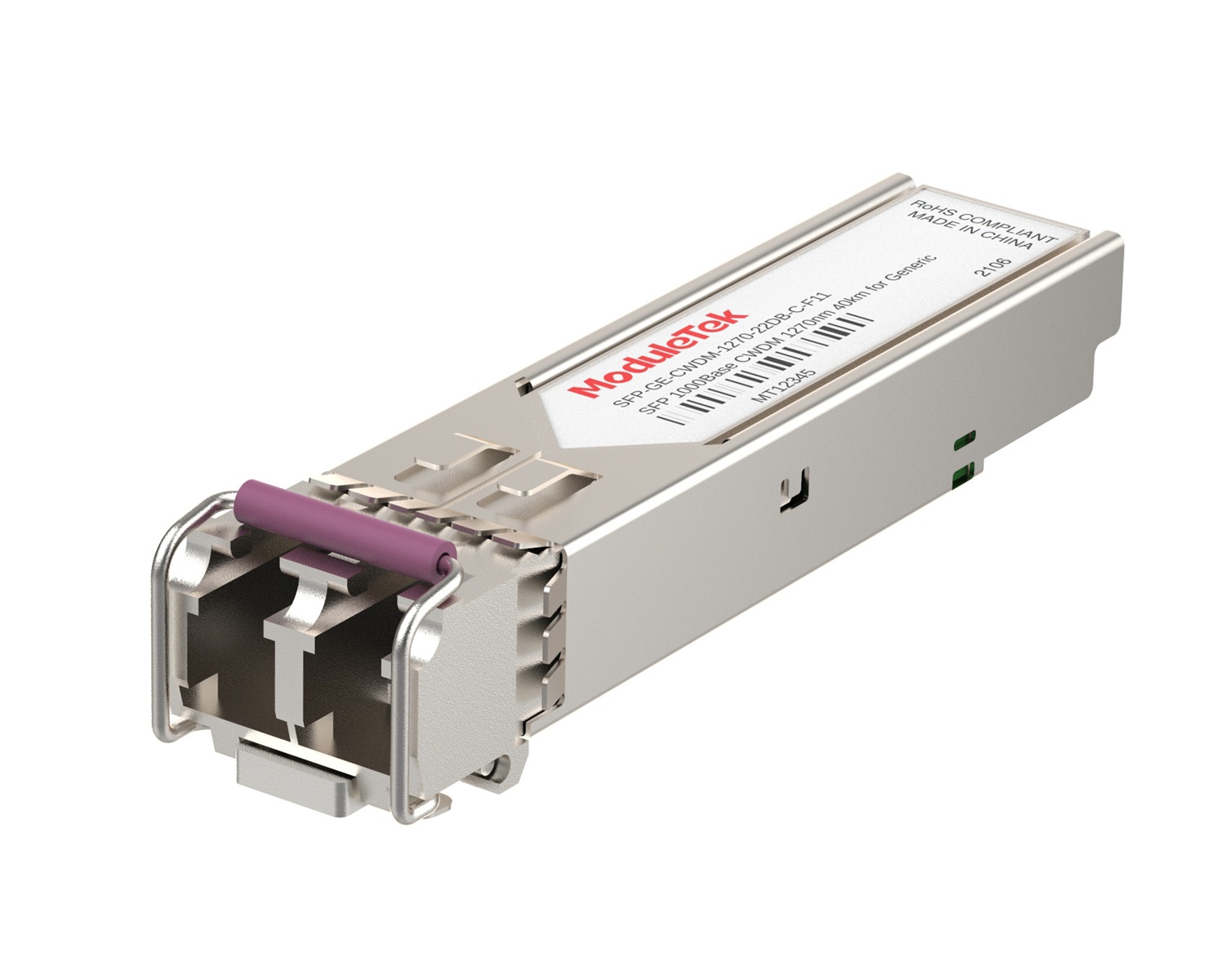 CWDM Optical Transceivers
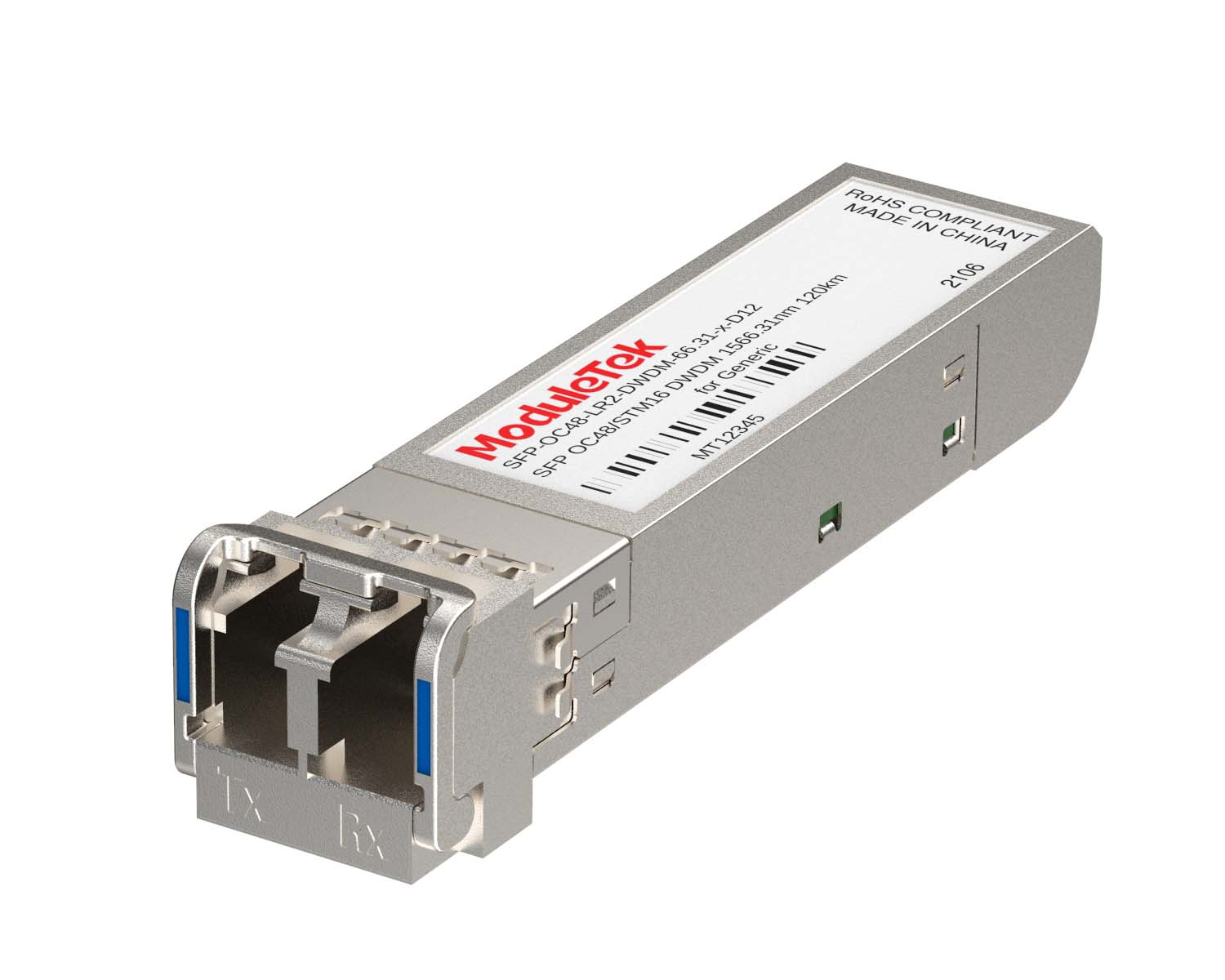 DWDM Optical Transceivers
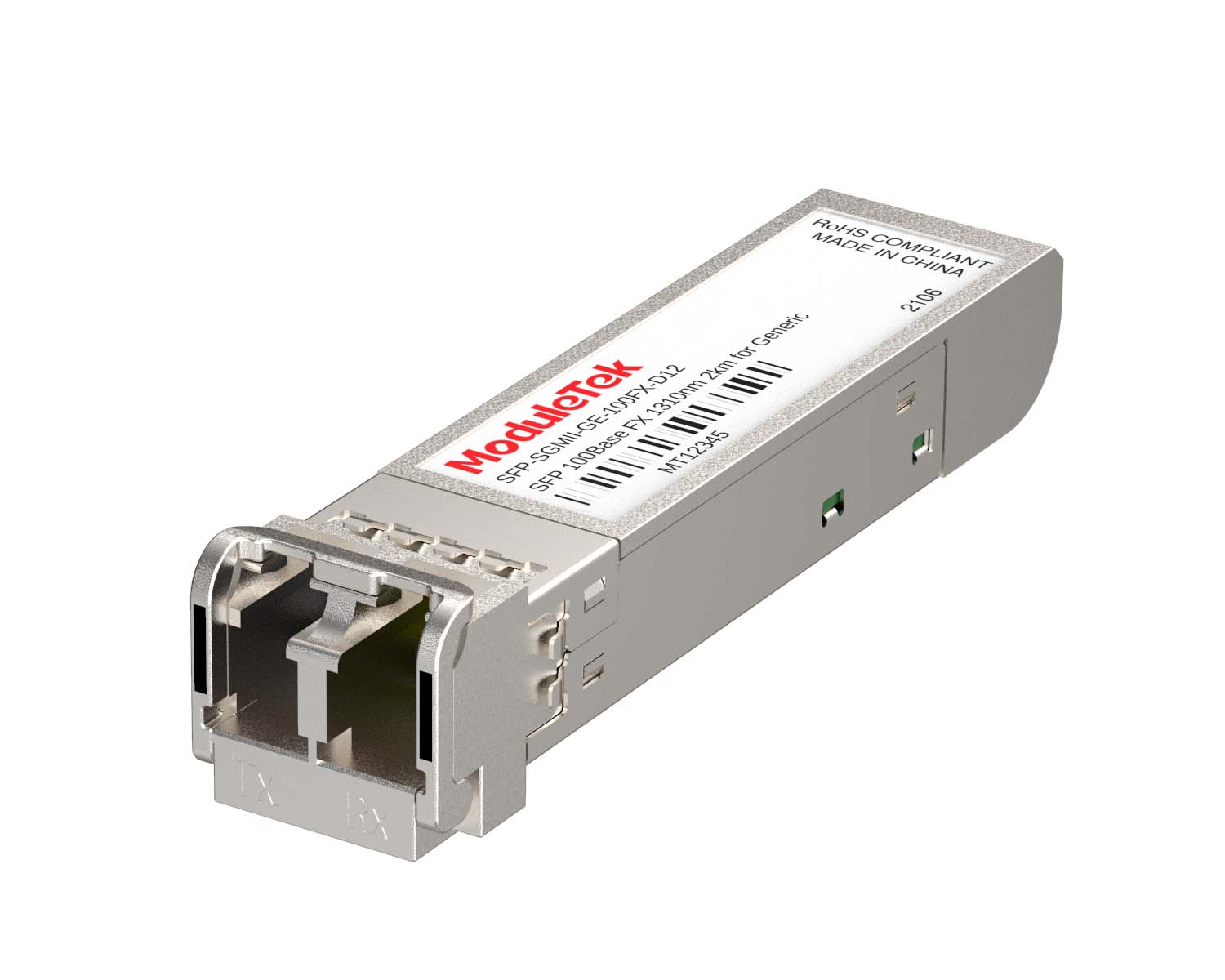 SGMII Port Optical Transceivers
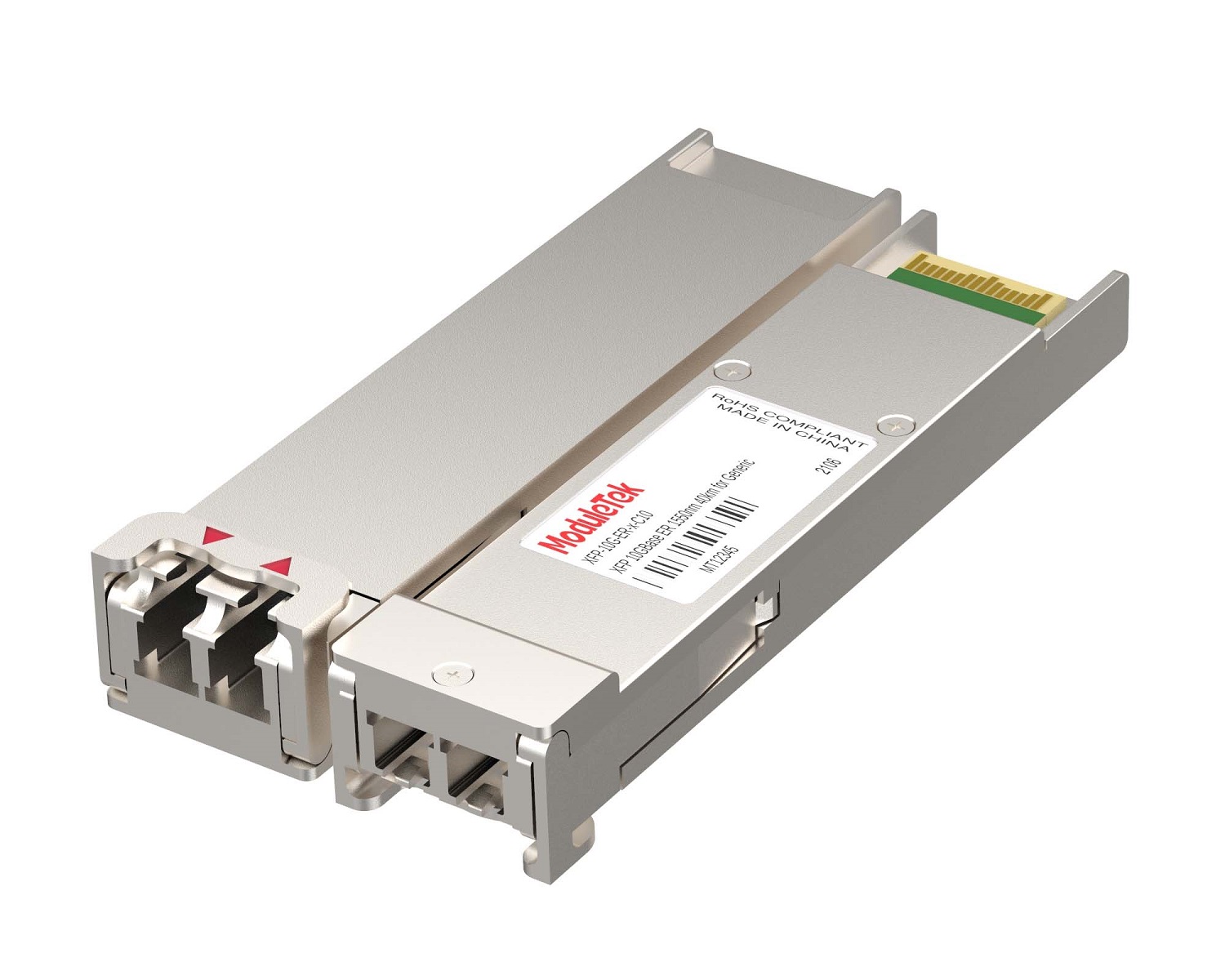 XFP Optical Transceivers
 100M/1G/10G Coppers
 Full-Rate AOC & Breakout Series
 10G/40G Active DAC Series
 Full-Rate Passive DAC Series
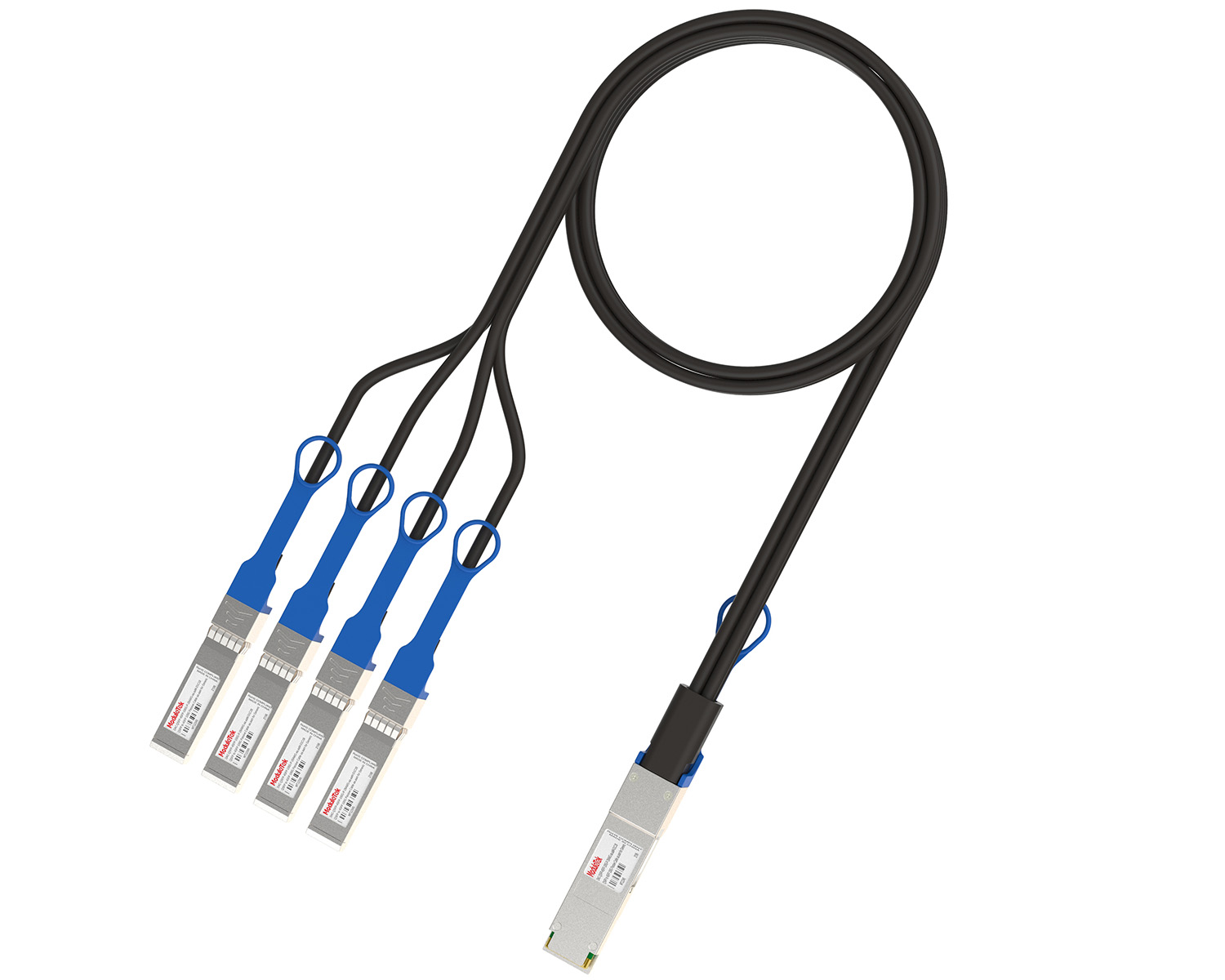 40G/100G Passive Breakout DAC Series
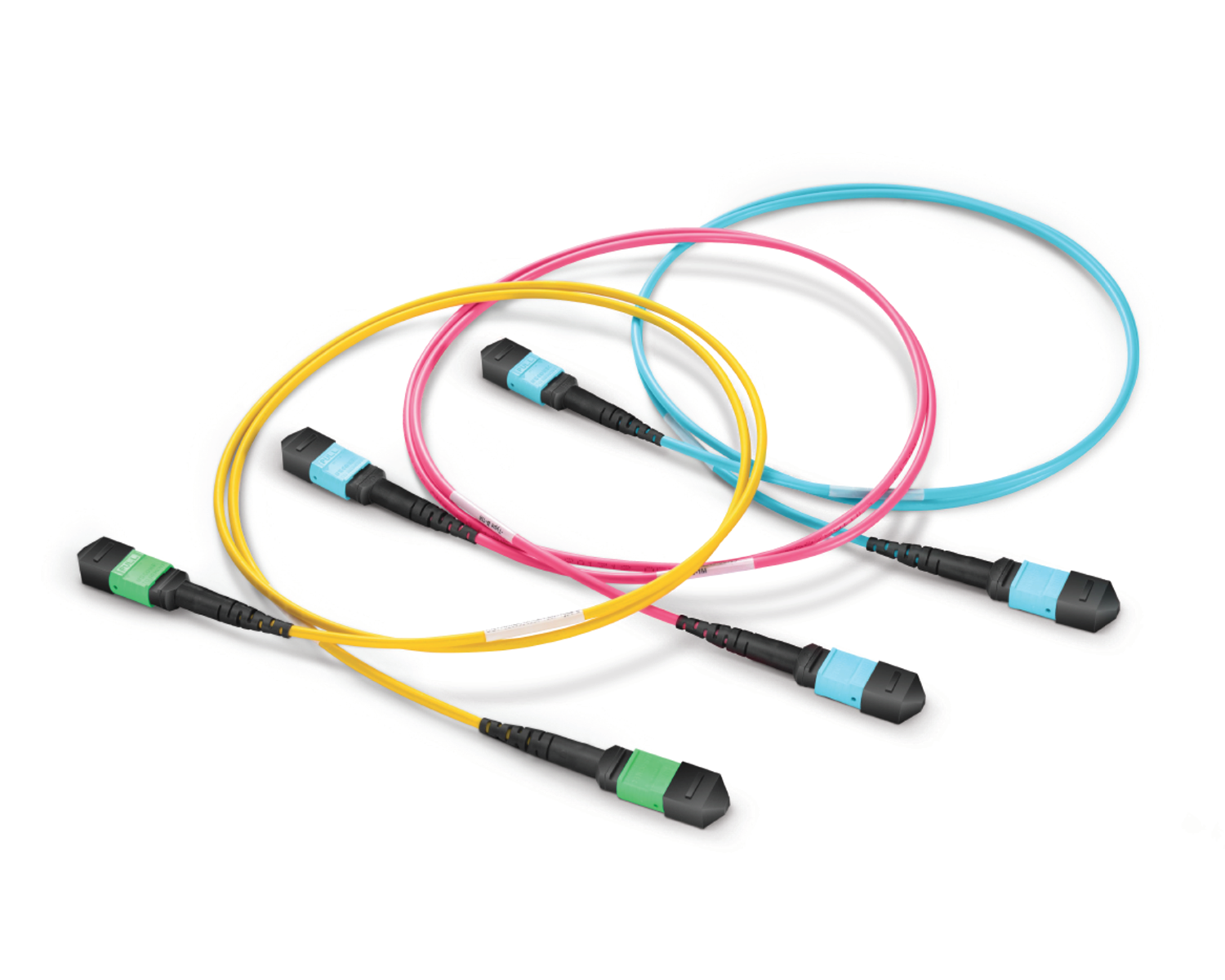 Regular/MTP-MPO Fiber Patch Cords
 MT2011
 MT2010
 CodingBox
 QSFP to SFP Adapter
Introduction To 25G-LWDM Colored Optical Modules
Time: 2021-11-09
Two Mainstream Schemes of 12-Wave Colored Optical Modules in 25G Applications
In 25G application scenarios, operators mainly adopt two schemes for 12-wave colored optical modules, namely MWDM and LWDM, with the following characteristics:
• MWDM Scheme
This scheme is derived from 6-wave CWDM, realized by offsetting each central wavelength of CWDM (1270nm-1370nm) by ±3.5nm respectively. Its disadvantage is that the four-wave mixing (FWM) dispersion near 1350nm and 1370nm is significant. To compensate for the power loss caused by dispersion, MWDM adopts a solution of using PIN detectors for the first 8 wavelengths and APD detectors for the last 4 wavelengths.
• LWDM Scheme
Derived from 100G/400G CWDM and Lan-WDM technologies, this scheme fully leverages the reuse of the optical communication industry chain. It defines 12 LWDM wavelengths with low dispersion and high cost performance, making it a competitive solution in 25G applications.
Comparison of Wavelength Characteristics Between 25G-LWDM and MWDM
Table 1: Wavelength Characteristic Comparison of 25G-LWDM and MWDM
|
Number of wavelengths
|
Product type
|
Minimum wavelength spacing
|
|
12
|
LWDM
|
4.5nm
|
|
12
|
MWDM
|
7nm
|
Wavelength Distribution of 25G-LWDM Colored Optical Modules
The following figure shows the wavelength distribution of common 25G optical modules, intuitively presenting the wavelength selection and characteristics of various modules:
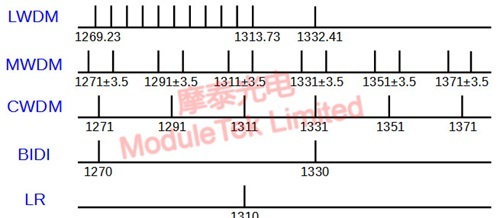
Figure 1: Wavelength Distribution of Common 25G Optical Modules
The 12 channel wavelengths of 25G-LWDM products are defined as follows (all wavelengths reuse mature optical communication wavelengths to optimize cost performance):
• Channel 0: 1332.41nm (reuses DML-1330 wavelength from 100G CWDM applications; note that its wavelength spacing differs from other channels, specially selected for industry chain reuse).
• Channel 1: 1313.73nm (reuses DML-1310 wavelength from 100G CWDM applications; wavelengths from this channel onward have a uniform spacing of approximately 4.5nm).
• Channel 2: 1309.14nm (reuses DML wavelength from 100G LanWDM applications).
• Channel 3: 1304.58nm (reuses DML wavelength from 100G LanWDM applications).
• Channel 4: 1300.05nm (reuses DML wavelength from 100G LanWDM applications).
• Channel 5: 1295.56nm (reuses DML wavelength from 100G LanWDM applications).
• Channel 6: 1291.10nm (reuses DML-1290 wavelength from 100G CWDM applications).
• Channel 7: 1286.66nm (reuses EML wavelength from 400G LanWDM applications).
• Channel 8: 1282.26nm (reuses EML wavelength from 400G LanWDM applications).
• Channel 9: 1277.89nm (reuses EML wavelength from 400G LanWDM applications).
• Channel 10: 1273.54nm (reuses EML wavelength from 400G LanWDM applications).
• Channel 11: 1269.23nm (reuses DML-1270 wavelength from 100G CWDM applications).
Core Advantage of 25G-LWDM Products
The prominent feature of 25G-LWDM in wavelength selection is that it avoids wavelength bands with large dispersion. By fully reusing mature wavelengths and the existing optical communication industry chain, it effectively enhances product cost performance.
Moduletek provides the products mentioned in this application guide. Welcome to place your orders!
If you have any questions about the above content, please contact us via email: sales@moduletek.com